What To Wear Deer Hunting: Layering For An All-Day Sit
What To Wear Deer Hunting: Layering For An All-Day Sit

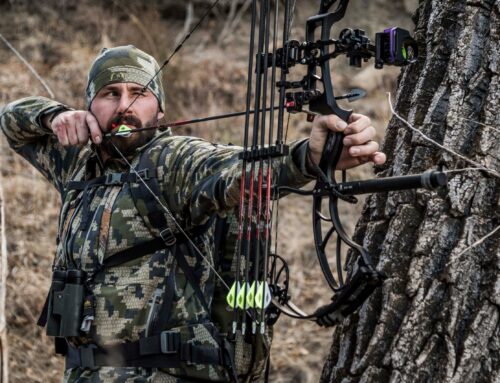
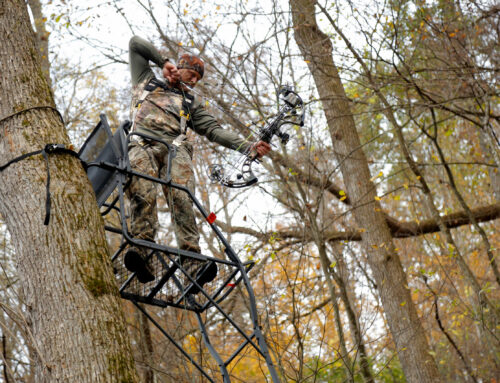
Late season deer hunting puts your system to the test. The air is sharp, the wind is stubborn, and the deer are wary after months of pressure. What you wear can be the difference between one hour of shivering and a full day of steady, focused patience. At Driftless Ranch in Prairie du Chien, Wisconsin, our guides live for this window of the season. They know how to build a clothing system that stays warm, stays quiet, and keeps scent in check so you can settle in and wait out a mature buck. This complete layering guide will help you dress right for an all-day sit and make the most of the final weeks.
Why Layering Wins In The Late Season
Layering is all about control. You hike in cool, then trap heat once you settle into the stand. You vent sweat on climbs, then seal your system against wind when you stop moving. Wisconsin’s Driftless Region brings elevation changes, shaded valleys, and swirling wind. If your clothing cannot adapt, moisture builds up and you start to lose heat fast. A smart layer system balances moisture management, wind protection, and quiet fabrics so you can hunt longer with less movement. That is the heart of late season deer hunting success.
The Three-Layer System, Upgraded For All-Day Sits
Base Layers: Dry Means Warm
Your base layer moves sweat off your skin. Avoid cotton because it holds moisture and chills you. Choose merino wool or high-quality synthetics. Merino excels at odor control and comfort. Synthetics dry fast and stand up to repeated use. Thickness matters. Lightweight options work for a long hike in. Midweight or heavyweight pieces shine when the forecast stays cold all day. A snug but not tight fit helps the fabric move moisture.
- Merino or synthetic long-sleeve top and long johns in mid to heavy weights
- Moisture wicking boxer briefs
- Merino liner socks paired with a heavyweight merino sock
- A thin, breathable beanie or headband to start cool on the approach
At Driftless Ranch, we encourage guests to pack two base top options. Hike in with a lighter top if the walk is long, then swap to a drier, warmer base when you settle. That quick change can extend your sit by hours.
Active Mid Layers: Your Heat Engine
The mid layer adds warmth while still letting moisture escape. Look for grid fleece, wool blends, or breathable active insulation with full zips you can open on the climb. Vests keep your core warm while freeing your arms for bow or rifle movement. Grid-knit hoodies and half zips work well because you can fine tune ventilation without a lot of bulk.
- Grid fleece or breathable wool blend hoodie
- Insulated vest for core warmth without restricting shoulders
- Looser fitting fleece pants or light softshell pants
- Full-length zips on tops and side zips on pants for venting during the approach
Our guides at Driftless Ranch often combine a fleece hoodie with a light wind resistant vest on the walk in. They stay cool enough to avoid sweating and have a strong base of warmth to build on once seated.
Static Insulation: The Big Warm Up At The Stand
Static insulation is the heavyweight piece you put on at the tree or blind. Think lofty parkas, insulated bibs, and packable puffy pants that go on in seconds. Down offers the most warmth for the weight, but synthetic insulation holds heat better when damp and is often quieter. Quiet, brushed face fabrics prevent noise when you draw or shift. Wind blocking panels around the chest and kidneys are a big help on exposed ridges.
- High loft parka with a quiet outer fabric
- Insulated bibs with high chest coverage to protect the core
- Full zip puffy pants that pull on over boots
- A windproof chest layer or vest if your parka is highly breathable
In the Driftless Region, temperatures can drop fast at last light. Pack your heavy layers in and suit up once you cool down. This keeps sweat out of your insulation and makes the last hour your warmest hour.
Outer Shells: Windproof, Water Resistant, and Silent
Wind is your biggest enemy during a stationary sit. A quiet softshell with wind blocking membrane, or a lightly insulated jacket with wind stopping panels, can be a difference maker. If freezing rain or wet snow is likely, add a waterproof shell that is soft and quiet. Look for covered zippers, soft-brushed fabrics, and a harness pass-through for treestand safety. Pants should have reinforced seats and knees, plus side zips to vent during the hike.
Remember that water resistant coatings can lose performance. Refresh the coating as needed so sleet beads off instead of soaking in. Dry gear equals warm gear on late season deer hunting sits.
Hands, Head, and Feet: The Big Three Heat Losers
Sock System and Boots
Feet go cold first. Start with a merino liner and a heavyweight merino sock. Make sure your boots leave room for toes to wiggle. Tight boots slow circulation and make your socks compress, which kills warmth. For long sits, 800 to 1600 grams of insulation is common. Rubber boots help with scent, while leather or hybrid boots can offer better support and warmth on long walks or steep grades.
- Merino liner sock plus heavyweight merino sock
- Boots with enough insulation for your lowest temperature and wind
- Roomy toe box to avoid pressure and numbness
- Boot blankets or over-boot covers for extreme cold
- Chemical toe warmers placed above your toes, not under them
Back at the lodge at Driftless Ranch, use a boot dryer overnight and swap to a fresh sock system the next morning. Dry feet stay warm. Your entire day depends on it.
Gloves and Muffs
A glove system gives you dexterity and warmth. Wear a thin liner glove for climbing and handling gear. Add a windproof mitt or insulated glove once seated. Many hunters keep a hand muff around the waist with a warmer inside. That muff does the heavy lifting so you can shoot with a liner glove and still feel your trigger or bow release.
- Thin liner gloves with good grip and trigger feel
- Windproof insulated mitts or flip mitts
- Hand muff with a quiet exterior and room for warmers
- A spare pair of liners stored inside your jacket in case the first pair gets damp
Headwear and Face Coverage
A warm head keeps your core from bleeding heat. Pair a merino beanie with a wind resistant hat or the hood of your parka. Add a balaclava or neck gaiter to seal drafts and control breath. Warm air leaving your collar is lost energy, so close that gap. Keep your breath vented down and away from optics to prevent fogging.
- Merino beanie or skull cap for comfort
- Wind resistant outer hat or insulated hood
- Balaclava or neck gaiter to seal the collar and cheeks
- Anti fog wipes for glasses or binoculars if you run face coverage
Scent, Sound, and Safety
Scent Control Through Clothing
You cannot eliminate scent, but you can lower it. Wash hunting layers in unscented detergent, then air dry. Store clean layers in a sealed tote or bag. Dress at the truck or at the stand, not in a warm room full of everyday odors. Rubber boots and clean gloves reduce scent transfer on ladders and camera straps. At Driftless Ranch, we keep staging areas clean so you can gear up without picking up strong smells.
Quiet Clothing Equals Close Encounters
Brush your sleeve against your jacket. If it rasps, a late season buck will hear it. Select soft-brushed face fabrics. Tape metal buckles on packs and steps. Wrap noisy zippers with a small pull of paracord. Keep your phone on silent and tuck loose straps. The quieter your system, the longer a buck will tolerate a slow draw or careful shift.
Blaze Requirements in Wisconsin
Safety comes first. During firearm deer seasons and some overlapping hunts, Wisconsin requires blaze orange or blaze pink on at least the outer half of your clothing above the waist. A blaze vest or hat over your insulation is a simple fix. Regulations can change, so check the Wisconsin DNR for current rules before you head out. When you book at Driftless Ranch, our team helps you prepare for the season you are hunting.
How To Layer For The Hike In Versus The Sit
- Pack heavy insulation. Do not hike in wearing your big parka or puffy pants.
- Start cool. If you feel slightly chilled at the truck, you are set up to avoid sweating.
- Vent early. Open pit zips, chest zips, and side zips on pants during climbs.
- Suit up at the stand. Put on your parka, puffy pants, and heavier hat once your heart rate settles.
- Seal the gaps. Cinch cuffs, hem, hood, and bib sides. Add a neck gaiter to lock in heat.
- Fuel and hydrate. Sip warm drinks and eat snacks with fat and carbs to keep your furnace burning.
Carry extra layers in a dry bag or pack liner so snow and sleet cannot soak your insulation. Compression sacks keep bulk down on the approach.
Accessories That Change The Game
- Windproof seat cushion that insulates and blocks cold from the stand
- Heated insoles or socks for subzero sits, with batteries kept warm in an inner pocket
- Chemical warmers for hands, kidney area, and toes
- Gaiters to keep snow out of boots and add a little shin warmth
- Full zip puffy pants for fast transitions without removing boots
- Quiet hand muff with a tether so you never drop it from the stand
- Rain cover for packs to keep spare gloves and layers dry
- Thermos with broth, cocoa, or tea to warm from the inside
- Spare beanie and glove liners stored in a dry pocket
Mistakes To Avoid In Late Season Deer Hunting Wardrobe
- Wearing cotton next to skin. It stays wet and steals heat.
- Stuffing feet into tight boots. Blood flow matters more than insulation rating.
- Hiking in while overdressed. Arrive dry so your insulation can do its job.
- Skipping wind protection. Cold wind will cut through thick insulation without a proper shell.
- Using only one set of gloves. Keep spares in case sweat or snow soaks the first pair.
- Ignoring the neck and kidneys. Seal your collar and keep your core wrapped.
- Forgetting how loud some fabrics sound in the cold. Test pieces before the hunt.
- Washing in fragrant detergent. Strong scents linger and can cost you daylight encounters.
Driftless Ranch Guide-Approved Layering Checklist
In the Driftless Region, wind rolls off bluffs and pools in valleys. Our guides at Driftless Ranch use a system that handles climbs, creek crossings, and long sits in mixed timber. Use this checklist to prepare for your next late season deer hunting trip.
- Two base layer tops, one lighter and one heavier, plus mid to heavy base bottoms
- Grid fleece hoodie and an insulated or wind resistant vest
- High loft, quiet parka and insulated bibs for static warmth
- Full zip puffy pants to add over your hiking pants
- Windproof softshell or waterproof shell as conditions demand
- Merino liner socks, heavyweight merino socks, and insulated boots with toe room
- Liner gloves, insulated mitts, and a hand muff with warmers
- Merino beanie, wind resistant outer hat or hood, and a balaclava or neck gaiter
- Gaiters, seat cushion, spare glove liners, and chemical warmers
- Dry bag or pack liner, tape for noisy buckles, and paracord zipper pulls
Care and Storage Between Hunts
Dry everything as soon as you return. Open zippers, hang layers near gentle heat, and use a boot dryer. Brush off dried mud and ice to protect fabrics. Wash only when needed using unscented detergent. Excess washing can break down water resistant coatings. Patch small tears with repair tape so insulation stays put. Store your clean layers in a sealed tote with cedar chips or baking soda to keep them neutral until the next hunt. If you are staying at Driftless Ranch for several days, ask our team for the best place to dry gear so it is ready for your next sit.
What To Wear For Specific Conditions
Single Digits With High Wind
Start with a heavyweight merino base, add a grid fleece hoodie, an insulated vest, and pack a windproof parka with high loft insulation. Choose insulated bibs and full zip puffy pants. Wear heavyweight merino socks with roomy boots and add boot blankets at the stand. Use a wind resistant beanie, balaclava, and a hand muff with warmers. Vent on the climb and seal every cuff, hood, and hem once seated.
Teens And Fresh Snow
Go with a mid to heavy merino base, grid fleece hoodie, and a quiet insulated parka. Snow is quiet, so choose soft fabrics that will not rasp on frosty bark. Waterproof gaiters help in drifts. Keep your gloves dry by stashing spares in a chest pocket where your body heat can warm them. A thermos with hot tea or broth can keep your core humming well into last light.
Wet Snow Or Freezing Drizzle
Moisture management rules the day. Synthetic base and mid layers shine here. Add a waterproof yet quiet shell over your insulation. Refresh the water resistant coating on your outerwear before the hunt. Keep a dry beanie in a pocket to swap when the first one gets damp. Use a rain cover on your pack and stash your heavy layers until you reach the stand. Synthetic insulated mitts and puffy pants maintain warmth even if lightly damp.
Plan Your Late Season Hunt At Driftless Ranch
If you have the right clothing system, late season deer hunting becomes a steady, rewarding grind instead of a battle with the cold. At Driftless Ranch in Prairie du Chien, Wisconsin, we pair expert guidance and layered gear advice with an elevated hunting experience. Our all inclusive packages can include field dressing and transport to a processor or taxidermist, firearms and ammunition if needed, and two nights and three days at our 15,000 square foot lodge. When you are not in the stand, you can relax with group friendly amenities like an indoor pool, hot tub, sauna, movie theater, arcade room, and fishing ponds.
Whether you are chasing a heavy whitetail or adding elk, red stag, or fallow deer to your wish list, our team helps you build the right kit and the right plan for the weather. We also welcome corporate retreats, friend trips, and family reunions. The Driftless Ranch property blends rugged terrain with upscale hospitality, so your group can focus on making memories while we handle the details. If late season deer hunting is on your calendar, now is the time to lock in dates and dial your layers. Reach out to Driftless Ranch and we will share our current packing list, weather insights, and guide tips to make your all day sit warm, quiet, and scent safe.
Dress smart, sit longer, and let patience pay off. The final weeks belong to those who plan their clothing like they plan their setup. When you are ready for a premier hunt in southwestern Wisconsin with a team that lives for the late season, Driftless Ranch is ready to host you.
Related Posts